Iron Ore Pelletizing Plant Manufacturer and Supplier in Iran
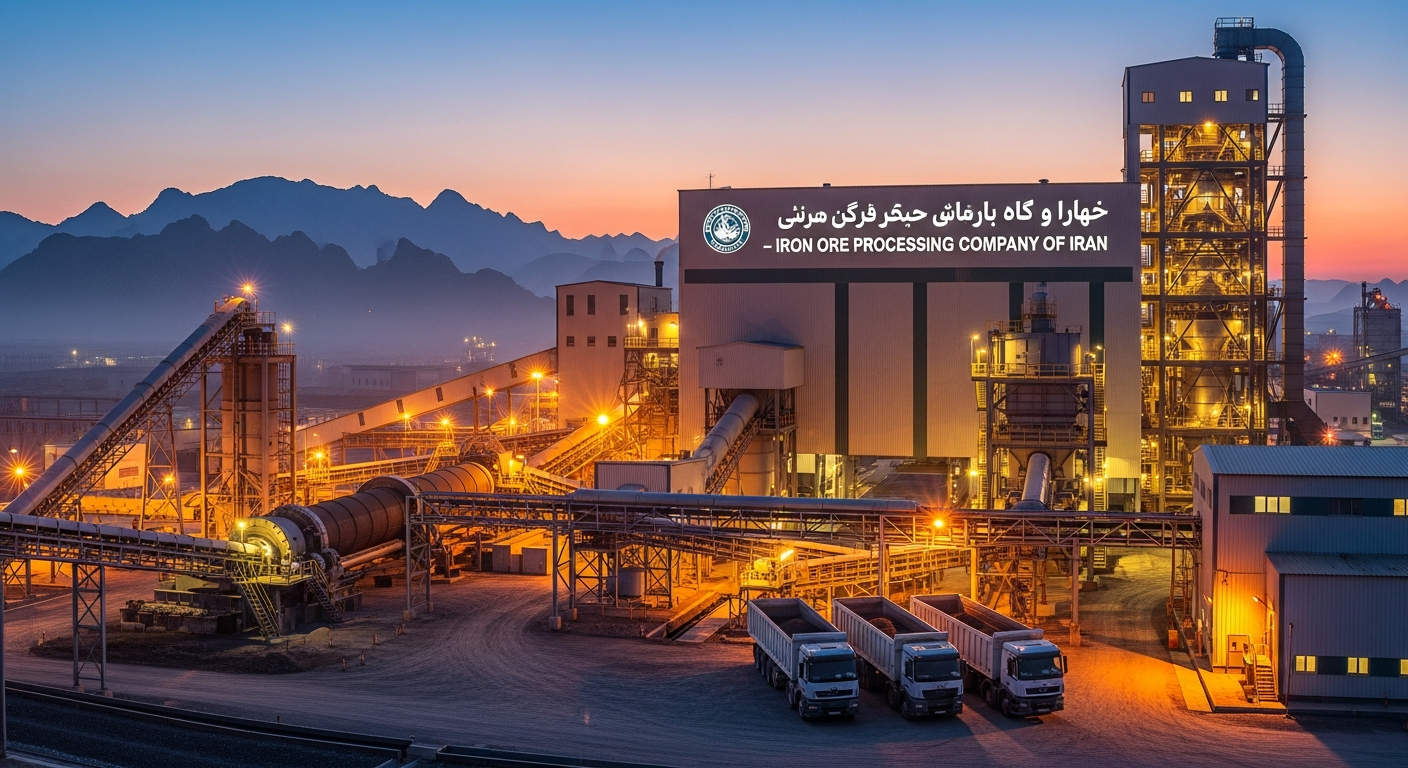
Iran’s steel industry requires advanced infrastructure to meet production demands. An iron ore pelletizing plant Iran transforms fine ore particles into high-grade pellets used in blast furnaces and steel manufacturing. Shalimar Engineering delivers complete pelletizing equipment Iran solutions designed for the Iranian market.
The pelletizing process converts iron ore fines into uniform spherical pellets. This improves handling, reduces dust, and creates consistent feedstock for steelmaking. Our iron ore processing plant Iran systems use proven technology to maintain pellet quality while controlling operational costs.
What is Iron Ore Pelletizing?
Iron ore pelletizing is an agglomeration process that binds fine ore particles into marble-sized balls. The process starts with grinding iron ore concentrates and mixing them with bentonite clay and limestone. These materials enter rotating drums or discs where moisture causes particles to stick together, forming green pellets.
Green pellets then move through a high-temperature furnace reaching 1300°C. This induration process burns off moisture and creates strong ceramic bonds within each pellet. The result is a durable product sized between 9-16mm that withstands handling and transportation.
Pellet plant manufacturers Iran must account for local ore types, fuel availability, and production targets. Different ores need adjusted processing parameters. Shalimar Engineering has designed plants for various ore compositions across multiple countries, bringing this experience to Iranian projects.
Main Components of Pelletizing Equipment Iran
Material Preparation System
Raw materials arrive at the plant through conveyors and store in silos. Automated batching systems measure exact amounts of ore concentrate, flux, and binder. This precision affects final pellet chemistry and performance.
Grinding mills reduce particle size to 80% passing 45 microns. Ball mills or rod mills accomplish this depending on ore hardness. Proper grinding improves binder efficiency and pellet density. The ground mixture then receives moisture in intensive mixers before balling.
Balling Circuit
The balling drum or disc is where pellet formation happens. Material tumbles in a rotating vessel while water sprays maintain optimal moisture at 8-9%. Small seed pellets grow as additional material coats their surface. Properly formed green pellets exit the drum with 10-12mm diameter.
Operators adjust drum speed, angle, and moisture to control pellet size. Modern systems include automatic moisture control based on pellet quality sensors. Green pellets need enough strength to survive screening and conveyor transfer without breaking.
Induration System
The induration furnace has several zones: drying, preheating, firing, and cooling. Green pellets enter the drying zone where hot gas removes surface moisture. The preheating zone gradually raises temperature to prevent thermal shock.
In the firing zone, temperatures reach 1250-1350°C. This heat creates the chemical bonds that give pellets their final strength. Grate-kiln systems or straight grate designs both work effectively. Our iron ore pelletizing plant Iran projects use the most suitable technology for each application.
Cooling air drops pellet temperature to 100-150°C before discharge. This recovered heat often preheats combustion air, reducing fuel consumption. Modern plants achieve thermal efficiencies above 85% through smart heat recovery.
Screening and Storage
Vibrating screens separate pellets into size fractions. Material between 9-16mm goes to product storage. Oversize pellets get crushed and returned to grinding. Undersize material returns directly to the balling circuit. This closed loop maintains production efficiency.
Product storage typically holds 3-7 days of production. Covered storage prevents moisture absorption and quality degradation. Loading systems fill trucks or rail cars for shipment to steel mills.
Benefits of Iron Ore Beneficiation Iran
Steel Production Advantages
Quality pellets improve blast furnace productivity. The uniform size creates consistent gas flow through the burden. This means better heat distribution and more complete reduction reactions. Iron pellet production Iran helps steel mills reduce coke rates by 10-15%.
Pellets contain 65-67% iron compared to 58-62% in typical lump ore. Higher iron content means less slag and more metal output per furnace charge. The controlled chemistry also removes sulfur and phosphorus that harm steel properties.
Direct reduction plants prefer pellets over lump ore. The uniform size and high reducibility suit shaft furnace and rotary kiln processes. Iranian steel producers using DRI technology benefit significantly from quality pellet supply.
Economic Value
Mining companies add value by converting concentrate into pellets. The price premium typically exceeds pelletizing costs by 15-25%. This margin makes industrial pelletizing solutions Iran attractive for ore producers.
Integrated steel operations reduce raw material costs through captive pellet plants. On-site production eliminates supplier margins and transportation fees. Material quality remains consistent without relying on external sources.
Export operations find pellets easier to handle than concentrate. Ships load faster and material losses during transport drop significantly. The pellet form also meets buyer specifications better than alternative products.
Environmental Performance
Modern pelletizing equipment Iran includes comprehensive emission controls. Baghouse filters capture particulate matter from furnace exhaust. Wet scrubbers remove acid gases when processing high-sulfur ores. Plants consistently meet air quality standards.
Water circuits operate in closed loops with minimal discharge. Settling tanks recover ore fines from process water. Treatment systems handle any blowdown before release. Total water consumption stays below 0.5 cubic meters per ton of pellets.
Heat recovery systems capture energy from cooling pellets and furnace exhaust. Preheating combustion air with recovered heat cuts fuel use by 20-30%. Some plants generate electricity from waste heat, offsetting power costs.
Turnkey Pelletizing Plant Iran Projects
Shalimar Engineering manages complete project execution from concept to commissioning. Our process begins with ore samples and testwork. Laboratory analysis determines grinding requirements, balling characteristics, and induration parameters.
Engineering teams then design the plant layout using 3D modeling software. This identifies potential issues before construction starts. Equipment specifications match the ore properties and production targets. We source machinery from reliable manufacturers with proven track records.
Construction supervision ensures quality installation of all systems. Our field engineers coordinate mechanical, electrical, and instrumentation work. Testing happens in phases – first dry runs, then wet commissioning with actual materials.
Operator training runs parallel to commissioning activities. Plant personnel learn proper operating procedures and troubleshooting methods. We provide detailed manuals covering all equipment and processes. The training continues until operators confidently run the plant independently.
Performance guarantees cover production rate, pellet quality, and energy consumption. Our team optimizes operations during the first production period. Technical support continues after project handover through our service network.
Why Choose Shalimar Engineering
We have delivered iron ore processing plant Iran solutions across multiple continents. Projects range from 500,000 to 3,000,000 tons annual capacity. Reference sites operate reliably with uptime exceeding 92%.
Our designs adapt to specific ore characteristics rather than forcing standard solutions. This customization achieves better results than generic plant layouts. Clients appreciate the attention to their particular requirements.
Technology selection balances proven reliability with operational efficiency. We avoid experimental approaches that create startup problems. Equipment comes from manufacturers with strong service networks.
After-sales support includes spare parts supply and technical assistance. Remote monitoring can identify issues before they cause shutdowns. Our engineers provide on-site help when needed. Parts inventory recommendations prevent excess stock while maintaining availability.
Visit our mineral processing solutions to see related equipment we manufacture.
Applications Across Industries
Steel mills are the primary pellet consumers. Blast furnaces use pellets as 40-90% of iron burden depending on availability and economics. The consistent quality helps maintain stable furnace operations. Production planning becomes easier with reliable pellet supply.
Direct reduction plants convert pellets to sponge iron without using blast furnaces. This process suits regions with natural gas but limited coking coal. Mining equipment suppliers Iran note growing DRI adoption in the Middle East.
Mining companies operate standalone pellet plants to serve multiple customers. These merchant plants need flexibility to produce various pellet grades. Our designs accommodate changing specifications without major modifications.
Some facilities produce specialty pellets for specific applications. Acid pellets suit basic oxygen furnace operations. Fluxed pellets contain limestone for self-fluxing blast furnace practice. Our pelletizing plant designs adapt to these different product requirements.
Technical Specifications
Plant capacity ranges from 0.5 to 5.0 million tons annually. Smaller units suit captive operations at integrated mills. Larger plants serve regional markets or export terminals. Modular design allows future expansion when justified.
Furnace selection depends on capacity and fuel type. Straight grate systems work well for coal-fired plants up to 2 million tons. Grate-kiln combinations suit larger capacities or gas/oil firing. Shaft furnaces handle smaller volumes efficiently.
Control systems range from basic PLC to full distributed control. We recommend automation levels based on plant size and operator experience. Advanced controls optimize fuel consumption and pellet quality automatically.
Environmental equipment includes fabric filters for dust collection and scrubbers when needed. Our pollution control systems integrate seamlessly with pellet plants.
Frequently Asked Questions
Iranian steel production continues growing, requiring plants from 1-3 million tons annually. Shalimar Engineering designs plants matching specific customer needs and market demand.
Iron ore pellet plant installation Iran typically needs 20-26 months from engineering to startup. Timeline depends on plant size, equipment delivery, and site preparation requirements.
We process magnetite, hematite, and limonite concentrates. Plant design adjusts for different ore mineralogy, grindability, and chemistry to produce quality pellets.
Standard pellets contain 65-67% Fe with 9-16mm size and 250+ kg compressive strength. Specifications adjust based on customer requirements and ore characteristics.
Yes, we provide ongoing support including spare parts, troubleshooting, training, and optimization services. Remote diagnostics help solve issues quickly.
Request Your Project Quote Today
Shalimar Engineering has the experience and technology to deliver your iron ore pelletizing plant Iran project successfully. Our team analyzes your ore samples, designs optimal systems, and manages complete installation. Contact us for a detailed proposal.
As established pellet plant manufacturers Iran, we combine technical expertise with practical construction experience. Projects meet guaranteed performance from day one. Our reputation comes from delivering reliable plants that operate profitably.
Get your customized pelletizing equipment Iran solution today. We provide technical specifications, project timeline, investment costs, and performance guarantees. Our team answers all questions about plant design and operation.
Check our complete pelletizer equipment range or visit https://shalimarengineering.co.in/ for more information.
Contact Shalimar Engineering now – your trusted Iron Ore Pelletizing Plant Manufacturer and Supplier in Iran!
Tags: Sulphur WDG Plant in Iraq, Sulphur WDG Plant in Kuwait, Sulphur WDG Plant in Bahrain, Sulphur WDG Plant in Oman, Sulphur WDG Plant in Qatar, Sulphur WDG Plant in Saudi Arabia, Sulphur WDG Plant in United Arab Emirates, Sulphur WDG Plant in South Africa