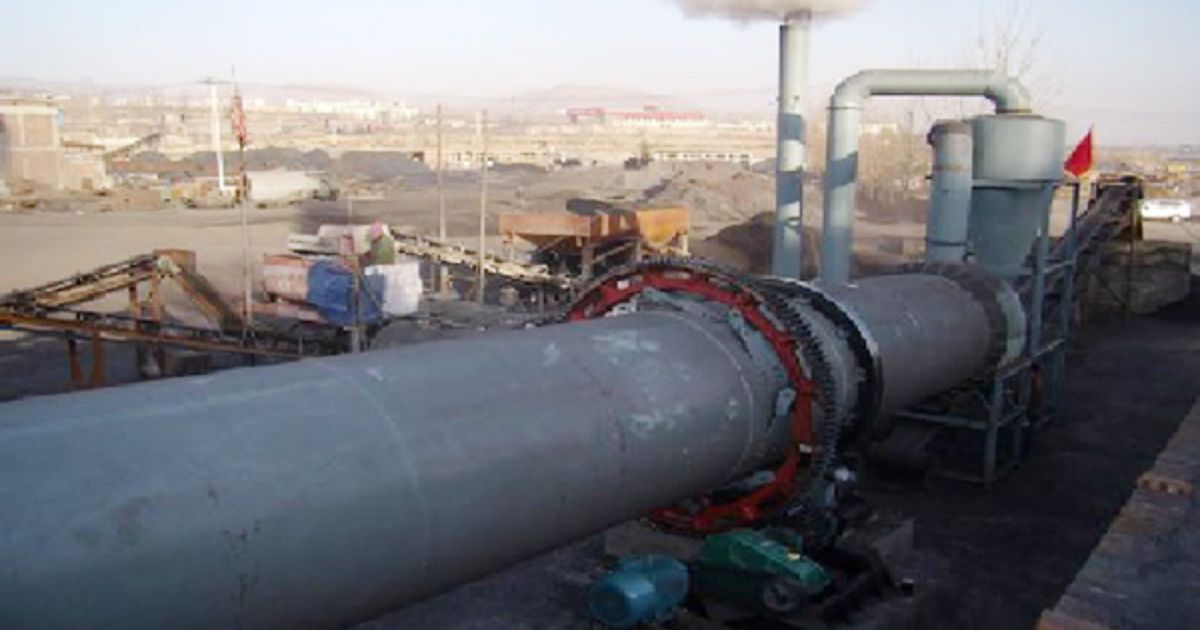
Top Advantages of Iron & Other Ore Pelletizing Plant Systems
The mining and steel production sectors face persistent pressure to maximize resource efficiency while meeting increasingly stringent environmental standards. Fine iron ore concentrate, a byproduct of beneficiation processes that was historically discarded as waste now represents a valuable feedstock when processed correctly.
Shalimar Engineering has observed that steel plants consistently achieve higher furnace productivity, lower specific fuel consumption, and better environmental compliance when charging pelletized ore rather than sinter or lump ore alternatives. This performance advantage explains why iron ore pelletizing plant installations continue expanding globally despite significant capital investment requirements.
The fundamental value proposition is straightforward: pelletizing technology converts fine ore particles into uniform spherical pellets that blast furnaces, direct reduction units, and electric arc furnaces process far more efficiently than alternative iron feedstocks.
As steel demand grows across infrastructure development, construction, and manufacturing sectors, the industry cannot afford to waste fine ore concentrates that pelletizing transforms into premium metallurgical feedstock.
Understanding the specific advantages these systems deliver reveals why modern integrated steel production increasingly depends on pelletizing plant technology as essential processing infrastructure.
What is an Iron Ore Pelletizing Plant?
An iron ore pelletizing plant is an industrial facility engineered to agglomerate fine iron ore concentrate into spherical pellets through a controlled sequence of mixing, balling, and high-temperature induration.
The core purpose addresses a fundamental challenge: beneficiation processes that concentrate iron ore inevitably produce significant quantities of fine particles too small for direct furnace charging. Without pelletizing, these fines would either be discarded as waste or cause severe operational problems: reduced furnace permeability, inconsistent chemical composition, and excessive dust generation when attempts are made to use them directly.
The ore pellet production process transforms this liability into an asset. Fine concentrate is carefully mixed with small quantities of binding agents (typically bentonite), moistened to precise moisture content, and fed into rotating disc or drum pelletizers. These devices agglomerate the fine particles through a snowball-like tumbling action that forms green pellets typically 8-16mm in diameter.
The soft green pellets then undergo induration controlled thermal treatment in specialized furnaces reaching temperatures of 1200-1350°C that drives off moisture, oxidizes magnetite to hematite, and creates ceramic-like bonds between particles. The result is extremely hard, durable pellets that maintain physical integrity through handling, transportation, and furnace charging while delivering consistent metallurgical performance.
How Iron Ore Pelletizing Plant Systems Work
The pellet plant technology workflow follows five integrated stages, each critical to final product quality. Ore crushing and grinding prepare feed material to target particle size distribution, typically 80% passing 45 microns for effective pellet formation. Grinding equipment and screening systems ensure proper sizing before pelletizing begins.
Mixing with binders follows, where bentonite or organic binding agents are thoroughly blended with ore concentrate to improve green pellet strength and support handling through the induration process.
Pellet formation (balling) occurs in rotating disc or drum pelletizers where the moistened ore-binder mixture agglomerates into spherical green pellets. Disc pelletizers offer superior size control and the ability to recycle undersize material continuously; drum pelletizers handle higher throughput but with less precise sizing.
The induration process represents the technological heart of pelletizing, where green pellets undergo controlled thermal treatment transforming weak agglomerates into extremely hard, durable pellets. Modern induration systems employ grate-kiln configurations where pellets move through drying, preheating, firing, and afterheating zones in sequence.
The rotary kiln component provides high-temperature firing that creates the ceramic bonds giving pellets their characteristic strength. Finally, cooling and screening separate product-size pellets from oversize and undersize fractions, with product advancing to storage and off-spec material recycling through the process.
Types of Pelletizing Plant Technologies
Straight Grate Pelletizing Technology
Straight grate systems process pellets entirely on a continuous traveling grate that moves through all thermal treatment zones sequentially. This configuration offers simplicity and lower capital cost but typically requires higher specific energy consumption than alternative designs. Straight grate technology suits smaller-capacity plants or applications where capital cost constraints outweigh operating cost considerations.
Grate Kiln Pelletizing Technology
Grate-kiln systems combine a traveling grate for drying and preheating with a rotary kiln for high-temperature firing, achieving superior thermal efficiency and producing higher-strength pellets.
The grate-kiln configuration dominates modern large-scale iron ore pellet production due to better energy economics and heat recovery from cooling pellets preheating combustion air, reducing fuel consumption per ton of pellets produced. Product quality also improves because the kiln provides more uniform high-temperature exposure than grate-only systems.
Traveling Grate Pelletizing System
Advanced traveling grate designs incorporate multiple thermal zones with sophisticated heat recovery systems that approach grate-kiln efficiency while maintaining the mechanical simplicity of single-machine processing. These systems suit mid-range capacity applications where operational flexibility and maintenance simplicity matter alongside energy efficiency.
Top Advantages of Iron & Other Ore Pelletizing Plant Systems
Improved Raw Material Efficiency
Pelletizing plant systems convert fine ore concentrate that would otherwise be discarded into premium metallurgical feedstock. Beneficiation operations that concentrate low-grade ores inevitably produce significant fines during grinding and classification.
Before pelletizing technology, these fines represented lost value ore that had been mined, crushed, ground, and concentrated but couldn’t be utilized economically. Pelletizing captures this value, enabling steel plants to achieve higher overall iron recovery from ore bodies while reducing waste disposal requirements.
Higher Steel Production Efficiency
Blast furnaces charged with uniform pellets achieve 10-15% higher productivity compared to sinter-fed operations. This productivity gain stems from improved gas permeability; the spherical shape and uniform size of pellets allows combustion gases to flow more efficiently through the burden, accelerating reduction kinetics and enabling higher charging rates. The result is more steel produced per day from existing furnace capacity without additional capital investment in furnace expansion.
Reduced Waste and Resource Loss
Low-grade ore fines that would be discarded in operations lacking pelletizing capability become valuable feedstock when pelletizing infrastructure exists. This waste reduction matters economically and environmentally.
Economically, it improves overall ore body recovery and reduces per-ton mining costs by extracting more value from each ton of ore mined. Environmentally, it decreases tailings volume requiring disposal and reduces the environmental footprint of mining operations per ton of steel produced.
Better Transportation and Storage
Pellets handle far better than sinter or lump ore during transportation and storage. The spherical shape and high compressive strength prevent degradation during rail transport, ship loading and unloading, and conveyor transfer. Sinter degrades significantly during handling, generating fines that reduce furnace performance and create dust control challenges.
Pellets maintain size integrity, eliminating fines generation and associated material losses. Storage yard operations also favor pellets that don’t degrade from moisture exposure like sinter, and uniform size prevents segregation during stockpiling and reclaiming.
Increased Furnace Productivity
Consistent pellet size and chemistry improve blast furnace control and performance predictability. When feed material properties vary particle size distribution, chemical composition, reducibility, furnace operators must constantly adjust parameters to maintain target production and quality.
Pellets provide consistency that enables stable furnace operation at optimized parameters, maximizing productivity and minimizing off-spec steel production that requires reprocessing.
Environmental Benefits
Modern pelletizing plant technology generates lower emissions per ton of metallurgical feedstock produced than alternative agglomeration methods. Induration furnaces incorporate sophisticated exhaust gas treatment systems, dust collectors, scrubbers, and heat recovery units that capture particulates and pollutants more effectively than older sintering operations. Pellet handling also generates less fugitive dust than sinter or lump ore, reducing workplace exposure and environmental emissions from material transfer operations.
Improved Pellet Strength and Quality
High-temperature induration creates ceramic bonds between ore particles that give pellets exceptional compressive strength typically exceeding 250 kg per pellet. This strength matters throughout the supply chain. During transportation, strong pellets resist breakage that would generate fines and material loss.
During furnace charging and descent through the blast furnace, pellets must maintain integrity under the weight of burden above while withstanding thermal stress and chemical reduction. Superior pellet strength translates directly into better furnace performance and higher steel yield.
Other Ores That Can Be Processed in Pelletizing Plants
While iron ore represents the largest application by volume, pelletizing plant systems effectively process various mineral concentrates where particle size and physical strength determine downstream process efficiency. Manganese ore pelletizing supports ferromanganese production for steel alloying applications.
Chromite pellets feed ferrochrome furnaces producing stainless steel inputs. Nickel laterite pelletizing enables hydrometallurgical nickel extraction operations. Even bauxite undergoes pelletizing in certain alumina production routes where fine concentrate requires agglomeration before calcination.
Each mineral requires process parameter adjustments, induration temperature profiles, binder chemistry selection, pellet size specifications but the fundamental technology platform remains consistent. This versatility makes iron ore pelletizing plant infrastructure valuable beyond iron ore processing, enabling operations to process multiple mineral types through shared pelletizing capacity.
Industries That Benefit from Pelletizing Plant Systems
Integrated steel manufacturing plants represent the primary pellet consumers, using them as blast furnace feedstock that delivers superior productivity and cost economics compared to alternative iron units. Direct reduction plants producing sponge iron also depend heavily on pelletized ore; the direct reduction process requires extremely uniform, high-quality feed material that only pellets reliably provide.
Ferroalloy industries producing ferromanganese, ferrochrome, and other specialty alloys increasingly specify pelletized ore concentrates for the consistency and quality advantages they deliver. Even electric arc furnace operations, traditionally users of scrap steel, now incorporate direct reduced iron made from pellets to improve process control and steel quality.
Modern Innovations in Pelletizing Plant Systems
Automation transforms pellet plant operations through advanced control systems optimizing binder addition rates, moisture content, and induration temperature profiles in real-time based on feed ore characteristics and desired pellet properties.
These systems reduce operator dependency while improving product consistency across varying raw material conditions. Energy-efficient furnace designs incorporating advanced heat recovery, improved insulation, and optimized combustion systems reduce specific fuel consumption and the energy required per ton of pellets produced making pelletizing more economically and environmentally sustainable.
Smart plant monitoring integrates operational data from sensors throughout the material handling and processing equipment, enabling predictive maintenance that prevents unplanned downtime and optimizes equipment life.
Sustainable production technologies including waste heat recovery, renewable energy integration, and closed-loop water systems align pelletizing operations with increasingly stringent environmental standards while reducing operating costs.
Key Factors When Installing an Iron Ore Pelletizing Plant
Production capacity requirements drive fundamental design decisions; larger plants achieve better economies of scale but require higher capital investment and longer construction timelines. Ore quality and composition determine grinding requirements, binder selection, and induration parameters. Ores with high silica content require different treatment than low-silica magnetite concentrates.
Energy consumption represents a major operating cost; fuel availability and pricing influence technology selection and justify investments in energy recovery systems. Environmental regulations establish emission limits, waste disposal requirements, and water usage constraints that pellet plant designs must accommodate from initial engineering.
Equipment maintenance requirements and spare parts availability affect long-term operating costs and production reliability. Plants located far from major industrial centers must maintain larger spare parts inventories and develop stronger local technical capabilities to minimize downtime from equipment failures.
Conclusion
Iron & other ore pelletizing plant systems deliver compelling advantages that have made them essential infrastructure for modern steel production and mineral processing operations. The ability to convert fine ore concentrates into high-quality, uniform pellets improves resource efficiency, increases furnace productivity, reduces environmental impact, and enhances supply chain economics across the metallurgical industry.
As steel demand continues growing and environmental standards tighten, these advantages include higher productivity, lower emissions, better resource utilization and position pelletizing technology as the preferred agglomeration method for the industry’s future.
Shalimar Engineering provides complete iron ore pelletizing plant solutions and mineral processing equipment for operations requiring proven technology and long-term performance. Whether upgrading existing facilities or developing new pellet production capacity, the right engineering partner ensures projects deliver the productivity and efficiency modern metallurgical operations demand.
Frequently Asked Questions
1. What are the main advantages of iron ore pelletizing plants?
A: Iron ore pelletizing plants improve raw material efficiency by converting fine ore into usable pellets, increase blast furnace productivity 10-15%, reduce waste, provide better transportation characteristics, and deliver superior environmental performance compared to alternative feedstocks.
2. How does pelletizing technology improve steel production?
A: Pelletizing technology produces uniform spherical pellets that improve blast furnace gas permeability, enabling faster reduction kinetics, higher charging rates, and more consistent furnace operation translating directly into higher steel production from existing capacity.
3. What types of ore can be processed in pelletizing plants?
A: Beyond iron ore, pelletizing plant systems process manganese, chromite, nickel, and bauxite ores where agglomeration improves downstream metallurgical processing efficiency and product quality.
4. What is the difference between grate-kiln and straight grate pelletizing?
A: Grate-kiln systems use a traveling grate for drying/preheating and rotary kiln for firing, achieving better energy efficiency and pellet quality. Straight grate processes pellets entirely on a traveling grate through all zones, offering simpler operation but higher energy consumption.
5. Why are pellets better than sinter for blast furnaces?
A: Pellets provide uniform size and chemistry, better gas permeability, higher strength preventing degradation during handling, and superior environmental performance resulting in 10-15% higher furnace productivity versus sinter feedstocks.