Rotary Kiln Maintenance Checklist: 10 Steps to Prevent Downtime in Cement & Lime Plants Unplanned shutdowns in a calcination line are expensive. Every hour a kiln sits idle translates into…
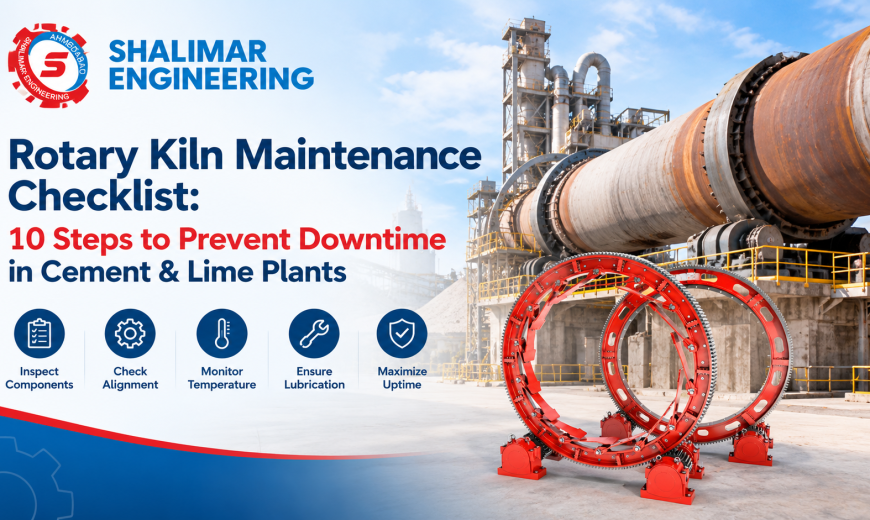
Rotary Kiln Maintenance Checklist: 10 Steps to Prevent Downtime in Cement & Lime Plants Unplanned shutdowns in a calcination line are expensive. Every hour a kiln sits idle translates into…
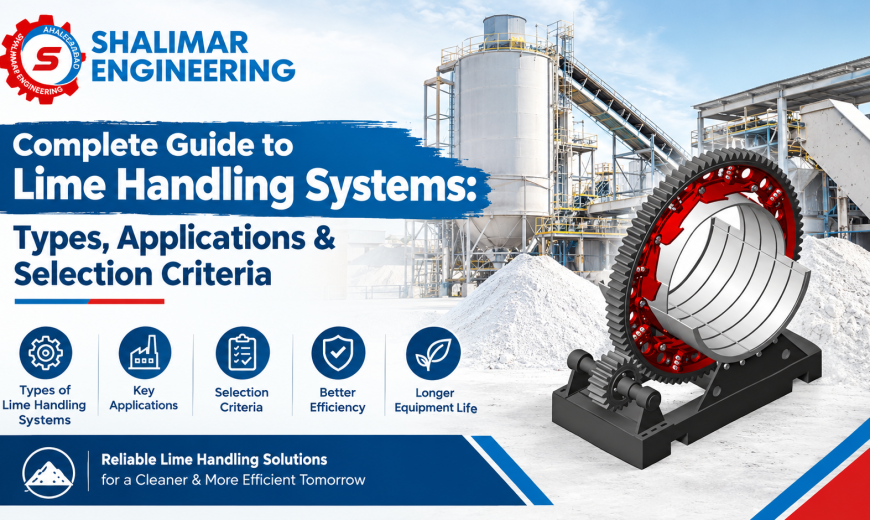
Complete Guide to Lime Handling Systems: Types, Applications & Selection Criteria Moving lime through a plant is nothing like moving a free-flowing granule. The material is abrasive, hygroscopic, dusty, and…
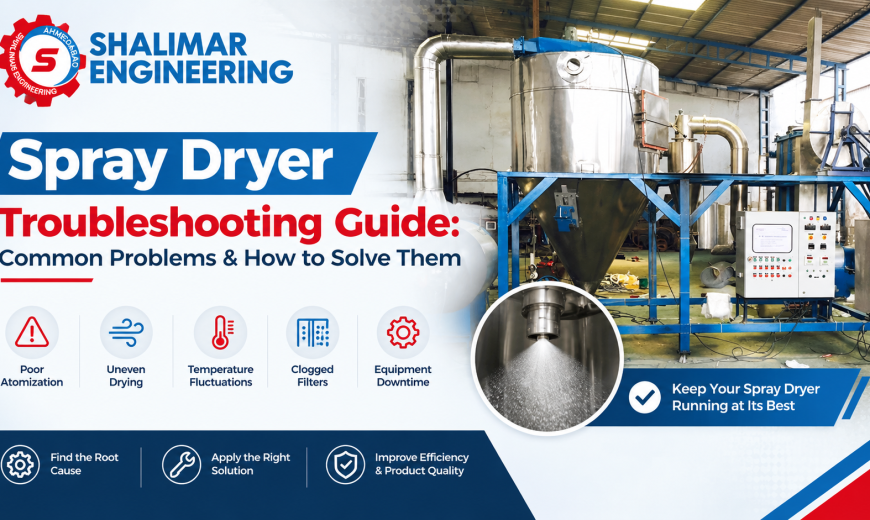
Spray Dryer Troubleshooting Guide: Common Problems & How to Solve Them A smooth-running drying tower is a quiet one. The moment you hear uneven airflow, see powder sticking to the…
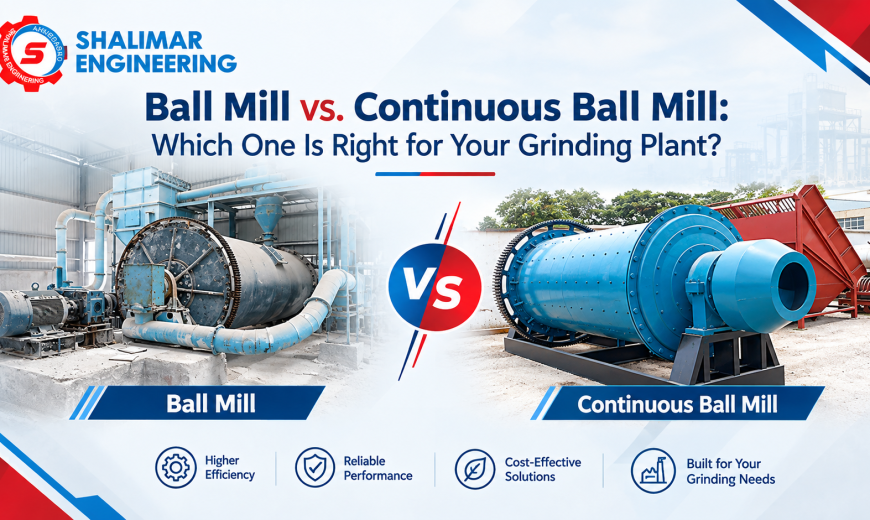
Ball Mill vs. Continuous Ball Mill: Which One Is Right for Your Grinding Plant? Selecting the right grinding equipment can shape the entire economics of a processing plant. Whether you…
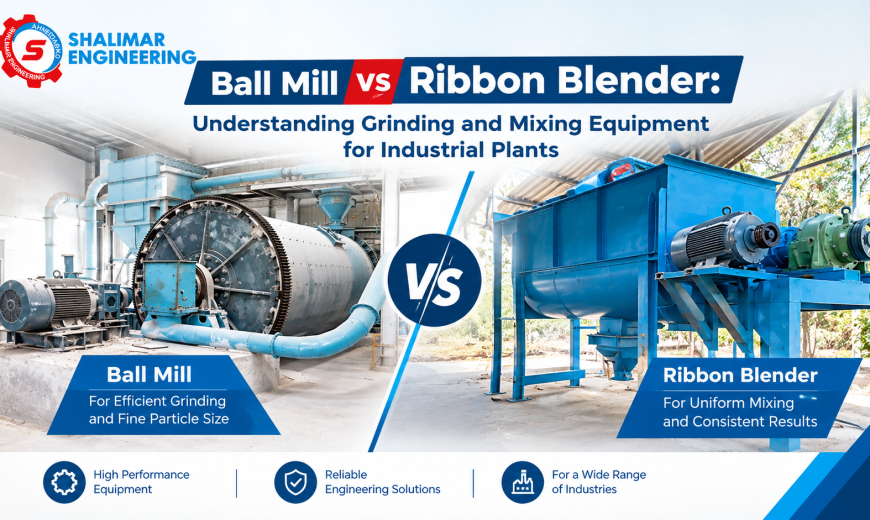
Ball Mill vs. Ribbon Blender: Understanding Grinding and Mixing Equipment for Industrial Plants In heavy industrial manufacturing, operators frequently confuse the physical processes of size reduction and chemical blending. Crushing…
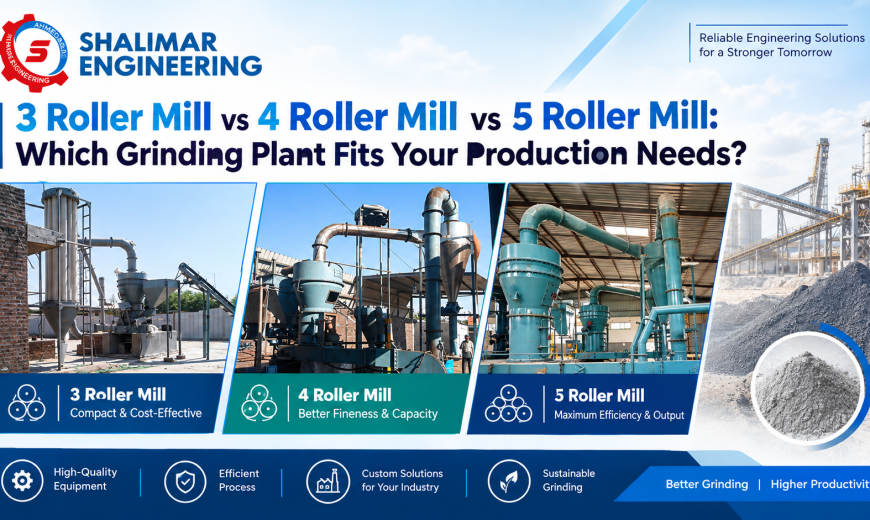
3 Roller Mill vs 4 Roller Mill vs 5 Roller Mill: Which Grinding Plant Fits Your Production Needs? When you manage a large-scale processing facility, your choice of heavy-duty grinding…
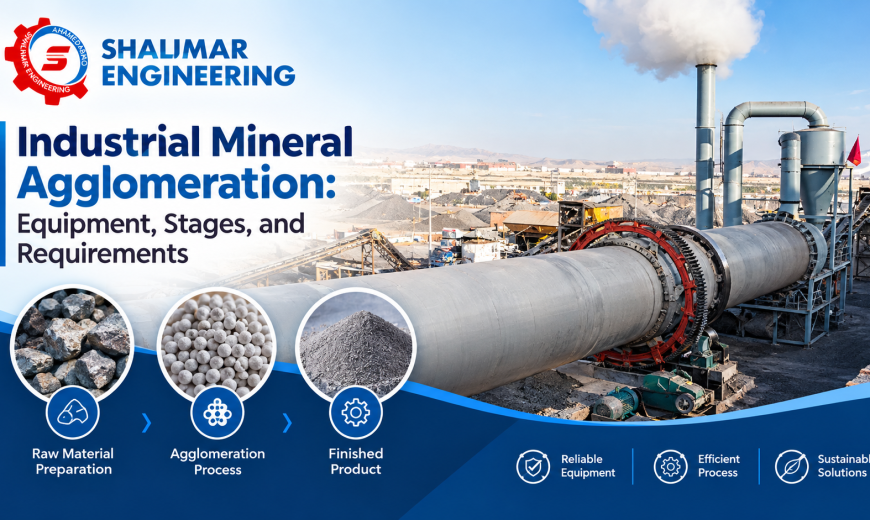
Industrial Mineral Agglomeration: Equipment, Stages, and Requirements Transforming raw, extracted minerals into high-strength, usable industrial formats is a massive engineering undertaking. When raw minerals emerge from the earth, they are…

Jet Mill vs Ball Mill: Which is Better for Ultra Fine Grinding? When your process demands particle sizes below 50 microns—pharmaceutical APIs, advanced ceramics, specialty chemicals, high-purity minerals—two machines come…
Modern industrial grinding solutions form the foundation of successful mineral and chemical processing operations. The ability to achieve precise particle size reduction directly impacts product quality, operational efficiency, and profitability…